
Understanding Cat Fur Matting
Self-Study Guide: Managing Matting in Cats
Discover the primary causes of matting in cats and learn effective techniques to keep your feline friend’s coat healthy and mat-free.

The Importance of Proper Grooming
Proper grooming is crucial for maintaining your cat’s health and comfort. One of the most significant aspects of grooming is preventing and managing matting in your cat’s fur. Mats can cause discomfort, skin irritation, and even lead to infections if not addressed promptly. By understanding the causes of matting and implementing regular grooming practices, you can ensure your cat stays happy and healthy.
Preventing and Managing Matting
Matting in cats can be caused by various factors, including tangles and knots, tackiness from substances, and the accumulation of loose shed hair. Regular brushing, using appropriate grooming tools, and keeping your cat’s coat clean are essential steps in preventing and managing matting. In some cases, professional grooming may be necessary to remove stubborn mats and maintain your cat’s coat.
Tangles and Knots
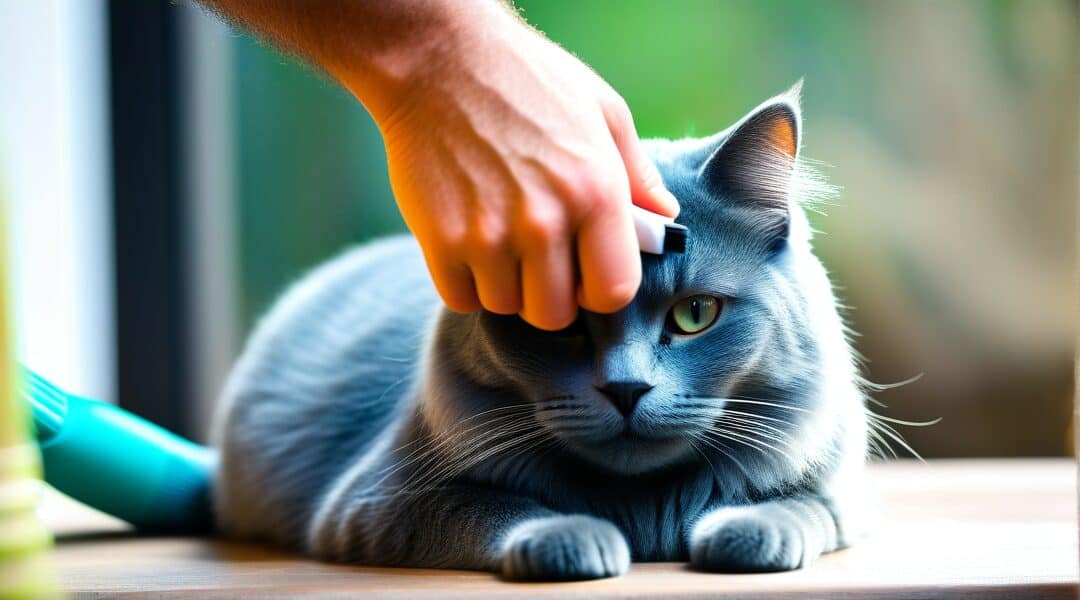
Mats often start as small tangles or knots in the cat’s fur. These can develop due to various factors, including the cat’s natural grooming habits, exposure to external elements, and the texture of the cat’s coat. Regular brushing and grooming are crucial to prevent these tangles from developing into mats.
Tackiness from Substances
Substances such as saliva, food particles, water, oil, and foreign matter can make a cat’s hair tacky. This tackiness facilitates the formation of knots and tangles, providing a foundation for matting. Regularly clean your cat’s fur to remove any sticky substances and use a damp cloth to gently wipe away dirt and debris.
Accumulation of Loose Shed
Shed hair that detaches from the follicles tends to collect around existing tangles and knots. The dense nature of a cat’s coat traps this shed hair, which then weaves into the tangles, contributing to the development of mats. Use deshedding tools regularly to remove loose hair before it has a chance to become trapped.
Steps to Address Matting
Regular brushing helps prevent tangles and removes loose hair. Focus on areas prone to matting, such as the underarms, behind the ears, and along the back of the legs. Invest in grooming tools suited to your cat’s coat type. Regularly inspect your cat’s coat for signs of matting and clean any areas with foreign substances promptly. If mats develop despite regular grooming, seek professional help.
Steps to Address Matting
Comprehensive Guide to Preventing and Managing Matting in Cats
Matting is a common issue in cats, particularly in those with long or dense fur. It can cause discomfort and even health problems if not addressed properly. This comprehensive guide provides cat owners and Tandem Cat Groomers with essential information on preventing and managing matting, both at home and during professional grooming sessions.
Understanding Matting in Cats
Matting occurs when a cat’s fur becomes tangled and knotted. It is more common in long-haired breeds but can affect any cat. Mats can form close to the skin, trapping moisture and dirt, leading to skin irritation and infections.
Causes of Matting
- Neglect of Regular Grooming: Lack of consistent brushing can cause fur to tangle and mat.
- Shedding: Loose hair that isn’t removed can contribute to mat formation.
- Friction: Areas where there is frequent movement, like under the collar, behind the ears, or in the armpits, are prone to matting.
- Health Issues: Skin conditions, obesity, and reduced mobility can prevent cats from grooming themselves properly, leading to matting.
- Environmental Factors: Exposure to water, dirt, or other elements can increase the likelihood of matting.
Preventing Matting at Home
Preventing matting starts with consistent care at home. Here are some tips for cat owners:
Regular Brushing
- Choose the Right Brush: Use brushes designed for your cat’s coat type. For long-haired cats, a slicker brush and a wide-toothed comb are ideal. Short-haired cats can benefit from a soft bristle brush or grooming mitt.
- Frequency: Brush your cat at least a few times a week, or daily for long-haired breeds.
- Techniques: Gently brush in the direction of hair growth, starting from the head and working towards the tail. Be careful around sensitive areas.
Bathing and Drying
- Occasional Baths: While cats generally don’t need frequent baths, occasional bathing can help reduce shedding and matting. Use a cat-safe shampoo and rinse thoroughly.
- Proper Drying: After a bath, ensure your cat is thoroughly dried. Use a towel or a low-heat hairdryer on a gentle setting. Never leave a wet cat to air dry, as this can encourage matting.
Managing Matting with Tandem Cat Groomers
Tandem Cat Groomers can provide specialized care for cats prone to matting, ensuring a safe and stress-free grooming experience.
Professional Grooming Services
- Mat Removal: Professional groomers have the tools and experience to safely remove mats without causing harm to the cat.
- Shaving or Clipping: In severe cases, groomers may recommend shaving the affected areas. This should always be done by a professional to avoid injuring the cat’s skin.
Preventive Care
- Regular Grooming Sessions: Schedule regular grooming sessions with professional groomers, especially for long-haired or high-risk cats.
- Groomer Advice: Ask for recommendations on grooming tools and techniques to use at home between professional sessions.
Communication and Coordination
- Discuss Your Cat’s Needs: Inform the groomer about any specific areas where your cat is prone to matting.
- Health Considerations: Communicate any health issues your cat may have that could affect grooming.
Matting in cats can be uncomfortable and potentially harmful if not managed properly. Preventive care, including regular brushing and monitoring, is key to avoiding mats. When mats do form, it’s crucial to address them promptly, either at home or with the help of professional Tandem Cat Groomers. By maintaining a consistent grooming routine and seeking professional help when needed, cat owners can ensure their feline companions remain comfortable, healthy, and mat-free.
Keep Your Cat Mat-Free with Tandem Grooming
Regular grooming is essential for your cat’s health and comfort. By following our expert tips, you can prevent matting and ensure your feline friend stays happy and healthy. Start implementing these grooming techniques today and experience the benefits of a mat-free, well-groomed cat. Strengthen your bond with your pet and keep them comfortable with Tandem Grooming’s professional advice.